Product scope and prototype
An agreed first-release feature list and an interactive prototype of the core journey before development.
08 / Mobile App Development
Prototype the core mobile journey before building an iOS or Android app. Define the first release, backend and platform requirements, then test on agreed devices and prepare the store submission.
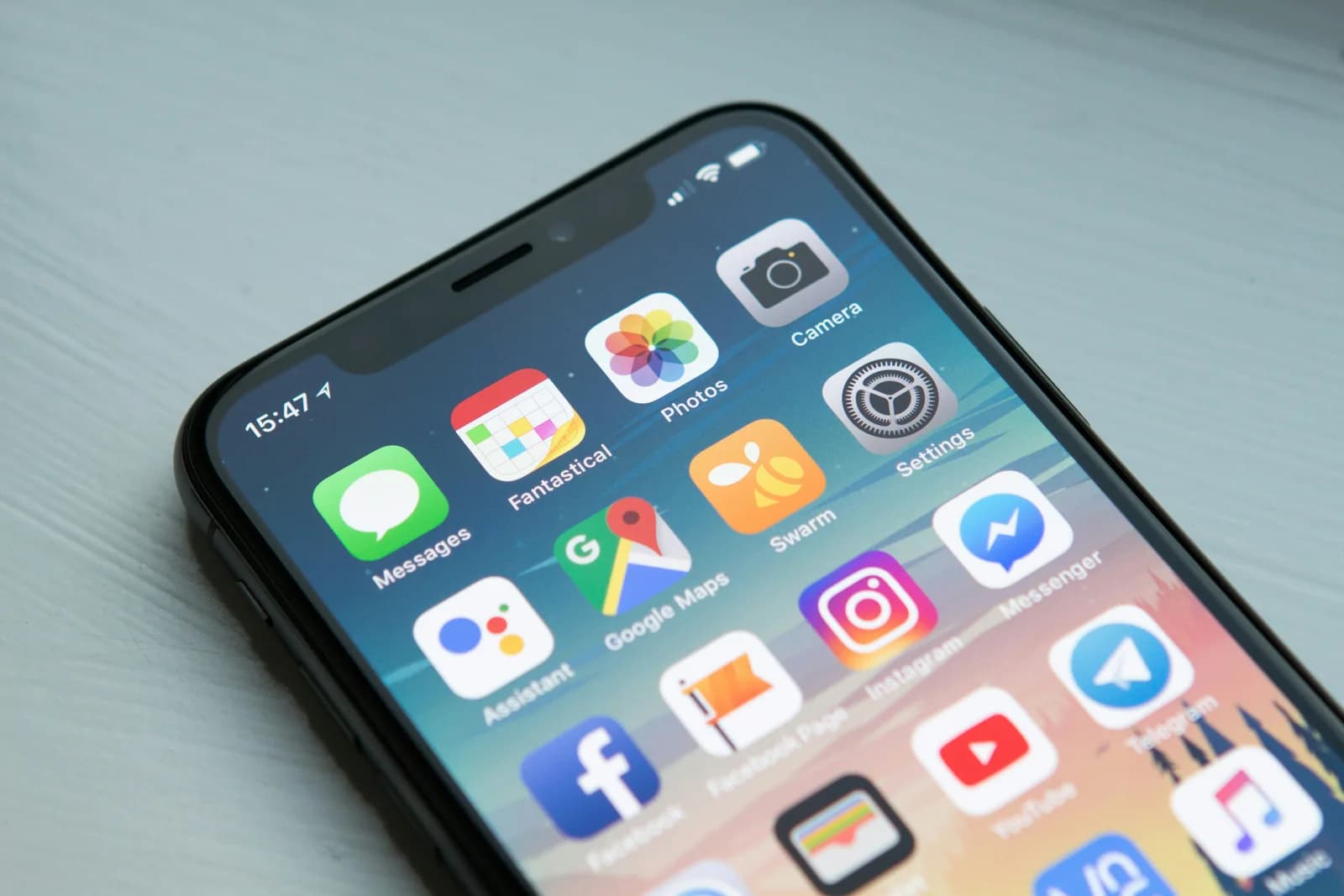
A useful product, built around the way people move.
What we measure togetherSuccess measures defined for your project.
Process illustration, not a client result. Your approved scope defines the deliverables.
01 / The scope
An app is useful when customers have a recurring task or need device capabilities. A mobile website may be sufficient for a simple business presence. Store fees, review timelines and ongoing releases are outside the initial build unless agreed.
An agreed first-release feature list and an interactive prototype of the core journey before development.
Build for the agreed iOS or Android targets. Native or shared-code choices follow device capabilities and maintenance needs.
Define APIs, authentication, data handling and any notifications required by the first release; avoid adding unused features.
Test agreed devices and prepare store materials. Review is controlled by the stores; account fees and later releases are scoped separately.
Document deliverables, approval points, revisions and exclusions so completion can be checked against the proposal.
02 / From idea to execution
Prove the core journey first.
We define the product scope, user personas, core user flows, and MVP feature set. This phase ensures we are building something users actually need, not just what sounds good on paper.
UX research, wireframes, visual design, and clickable prototypes that you can test with real users before development begins.
Two-week development sprints with demo builds at the end of each sprint. You see progress in real time and can test on your own device throughout the process.
Device testing across screen sizes and OS versions, performance profiling, security testing, and beta testing with real users before public launch.
App store submission, launch monitoring, crash reporting, and post-launch iterations based on user feedback and analytics data.
03 / The right fit
Missed deadlines, buggy releases, unmaintainable code. We have taken over many projects from previous developers and rebuilt them properly. Our process is transparent and our code quality is consistently high.
Maintaining separate iOS and Android teams doubles your cost and slows development. Cross-platform development with React Native gives you both platforms from a single codebase without sacrificing performance.
Downloads do not matter if people stop using your app after a day. We design for retention from the start with thoughtful onboarding, intuitive navigation, and performance that never makes users wait.
04 / FAQ
We choose based on device features, performance needs, team ownership, and the release plan. A shared codebase can be useful, while deeper platform requirements may justify native development.
Yes. We can scope APIs, the database, authentication, and notifications with the app. Existing systems are reviewed first so the new app connects with the business.
No. We prepare the agreed submission and review the platform requirements, but Apple or Google controls approval. Agree who owns store accounts, submission support, privacy information and ongoing maintenance in the proposal.
Connect the bigger picture
 03 / 09
Connect useful AI to your documents and existing tools. Test a focused search or assistance task with approved data, review answer quality and cost, then decide what is ready to integrate.
Learn More 07 / 09
A business website or web application with a clear customer journey and editable content. Agree the pages, forms and integrations, then test mobile use, accessibility and search access before handover.
Learn MoreMusée / Mobile App Development
An app is useful when customers have a recurring task or need device capabilities. A mobile website may be sufficient for a simple business presence. Store fees, review timelines and ongoing releases are outside the initial build unless agreed.
Let’s talk